ActLume blog
Practical guidance for CRA Article 14 reporting.
Understand manufacturer readiness, incident coordination, deadlines, staged reports, and the human-controlled ENISA SRP handoff.
Published articles
50 available Subscribe via RSS
-
 How should a product group identify the legal manufacturer that owns each CRA Article 14 decision?
Build a manufacturer register for CRA reporting
CRA Article 14 duties attach to the manufacturer of the affected product, so a reporting runbook needs a product-specific legal-entity map.
-
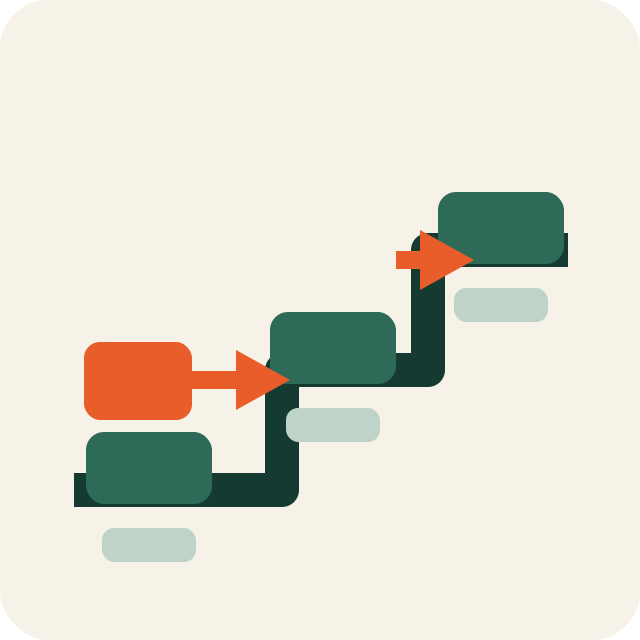 What evidence should move between the early warning, 72-hour notification, and final CRA report?
Build a handoff packet for each CRA report stage
Preserve the approved facts, unresolved questions, and filing evidence at the early-warning, 72-hour, and final Article 14 stages.
-
 How should a manufacturer classify sensitive information in a CRA notification?
Classify CRA report sensitivity before submission
CRA 72-hour notifications indicate, where applicable, how sensitive the manufacturer considers the reported information to be.
-
 How should an organisation assess the same security event under both the CRA and NIS2?
Triage one event under both the CRA and NIS2
The same security event can require separate assessment under the CRA's product-manufacturer test and NIS2 rules applying to an affected entity.
-
 How should a manufacturer assess one event that may be both a CRA product incident and a GDPR personal data breach?
Triage a product incident under the CRA and GDPR
A security event may require both a CRA product-security assessment and a GDPR personal-data-breach assessment because the regimes ask different questions.
-
 When should a manufacturer or another person consider a voluntary CRA notification?
Decide when to use CRA voluntary reporting
CRA Article 15 permits voluntary notification of vulnerabilities, cyber threats, incidents, and near misses beyond the narrower mandatory Article 14 triggers.
-
 How should a manufacturer choose channels and prove that a CRA user notice reached the intended audience?
Prove delivery of a CRA user notice
CRA user communication is risk-based: manufacturers inform impacted users and, where appropriate, all users without implying that every case requires indiscriminate public disclosure.
-
 What must a manufacturer separate when planning for the CRA's 2026 and 2027 application dates?
Separate the CRA's 2026 and 2027 workstreams
CRA conformity-body provisions apply from 11 June 2026, Article 14 reporting from 11 September 2026, and most remaining provisions from 11 December 2027.
-
 How should a manufacturer prepare older products for CRA Article 14 reporting?
Bring legacy products into CRA reporting triage
CRA Article 14 reporting applies to in-scope products made available before 11 December 2027, not only to products launched after the main application date.
-
 What should a manufacturer record as the moment a corrective or mitigating measure becomes available for CRA reporting?
Record when a CRA corrective measure is available
For an actively exploited vulnerability, the CRA final report is due no later than 14 days after a corrective or mitigating measure becomes available.
-
 Does the CRA exempt a microenterprise or small enterprise from the 24-hour early-warning duty?
CRA small-business relief does not waive deadlines
CRA Article 64 prevents fines for certain micro and small manufacturers that miss the 24-hour early-warning deadline, but it does not remove Article 14 reporting duties.
-
 What should a smaller manufacturer prepare before asking a CRA reporting helpdesk for support?
Ask a CRA reporting helpdesk a useful question
The CRA requires coordinating CSIRTs to provide helpdesk support for reporting, with particular attention to microenterprises and small and medium-sized enterprises.